Which specific modes of exercise training are most effective for treating low back pain?
- Home
- Blog
Modes of exercise training
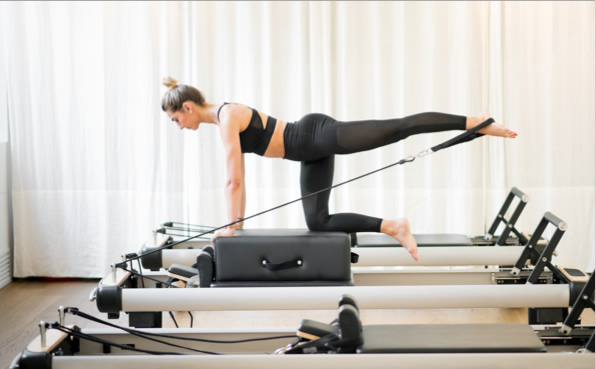
1. Exercise is a recommended treatment for chronic low back pain (CLBP). Current guidelines
state that no one
type of exercise is superior to another, and all have small to modest effects on pain and
disability.
2. This network meta-analysis found that pilates had the largest effect on pain, that
resistance and
stabilization/motor control exercise had the largest effect on function, and aerobic
exercise had the largest
effect on mental health; among individuals with CLBP compared to no intervention and
non-exercise
interventions.
3. This paper has significant methodological shortcomings which limits its relevance to
clinical practice.
BACKGROUND AND OBJECTIVE
A network meta-analysis published this year in the British Journal of Sports Medicine aimed
to determine what is
the most effective type of exercise for individuals with chronic low back pain (CLBP), in
terms of pain,
disability, and mental health. This is an important topic for physiotherapists as exercise
is a mainstay
treatment for chronic low back pain.
Accordingly, this review sought to determine whether some types of exercise are better than
others for improving
pain, function, and mental health among individuals with CLBP.
METHODS
The authors conducted a network meta-analysis of randomized controlled trials. They searched
five electronic
databases from inception to May 2019 to locate potentially relevant studies. There were no
language restrictions.
The quality of the evidence was assessed using the Grading of Recommendations Assessment,
Development and
Evaluation (GRADE) criteria. The inclusion criteria were as follows:
Study design – Randomized controlled trials only
Participants – Adults (≥18 years of age) with chronic non-specific LBP (≥12 weeks)
Instead of focusing on the type of exercise for LBP, we should focus our efforts
on getting people to
do more of any exercise, and on strategies to help individuals stick with exercise
over time.
Intervention – Exercise alone for at least 4 weeks duration. Exercise included resistance,
stabilization/motor
control, pilates, yoga, McKenzie, flexion (controlled movements in flexion only), aerobic,
water-based, or
multimodal exercise (a combination of different types of exercise).
Comparison – These interventions could not involve exercise. There were three
categories:
No intervention provided
Hands-on treatment – manual therapy, chiropractic, passive physiotherapy, osteopathic,
massage or acupuncture
Hands-off treatment – general practitioner management, education, or psychological
interventions
Outcomes – Pain intensity (e.g. numerical rating scale [0 -10]), physical function (e.g.
Oswestry Disability
Index), and mental health (e.g. 36-Item Short Form Health Survey).
RESULTS
The authors included 89 trials.
The review found low certainty evidence that pilates, stabilization/motor control,
resistance training and
aerobic exercise were the most effective exercise interventions compared to other exercises,
as well as non-
exercise comparisons.Exercise is a mainstay treatment for chronic low back pain.
Specifically, the review found that pilates was most effective for pain, stabilisation/motor
control for
function, and aerobic for mental health.
LIMITATIONS
Unfortunately, this review has significant limitations and has been the topic of great
controversy since its
publication (1). Major limitations include:
Missing a lot of relevant trials – it is estimated that the review missed 261 eligible
trials.
The estimates provided for the effect of pilates on pain are likely implausible – with
authors presenting effect
sizes about 3-4 times that normally reported for exercise interventions in CLBP.
Poor reporting of methods – the authors made statistical decisions without being transparent
on how and why they
picked these methods.
CLINICAL IMPLICATIONS
The limitations of this paper mean that we cannot have confidence in the results found. The
highest quality
evidence (2) available on exercise interventions for CLBP states that all types of exercise
deliver a small to
modest effect on pain and disability, and no one exercise is superior to another. We should
be guided by this
evidence and place less emphasis on the ‘right’ type of exercise. Preoccupation with the
right exercise for CLBP
needlessly complicates care and could give patients the impression that some exercises are
‘good’, and others are
‘bad’.
Instead of focussing on the type of exercise for LBP, we should focus our efforts on getting
people to do more of
any exercise, and on strategies to help individuals stick with exercise over time. Depending
on the individual,
this might involve reducing people’s potential fears about exercise for back pain (e.g.
through education
combined with exercise), getting people more confident with movement (e.g. exposure, graded
activity,
encouragement), and always considering a person’s unique preferences (e.g. what activity
does a person enjoy or
least dislike) and goals.
Physiotherapy Durban North