Preventative Dentistry
- Home
- Blog
Preventive Dentistry
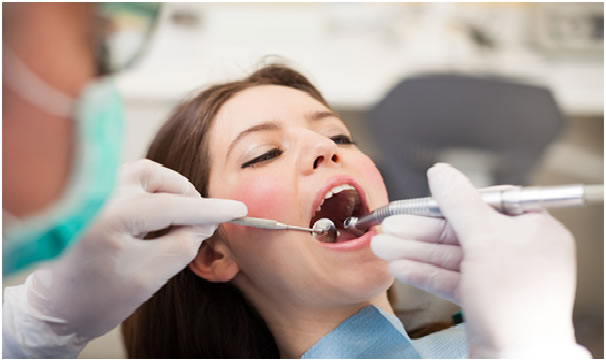
Preventative dentistry is focused on preventing unnecessary tooth loss due to tooth decay,
enamel wear and gum disease. Preventive dentistry goes hand-in-hand with oral hygiene and by
maintaining good oral health; you can not only prevent tooth loss but prevent the related
complications and pain that go along with losing a tooth.
What does preventative dentistry involve?
Initially, Dr Moodley may need to do some dental treatment and restorations. Thereafter to
maintain and keep your teeth and mouth healthy, he will suggest a six month check-up and
professional cleaning. This allows Dr Moodley to look for any broken or chipped teeth that
need to be restored with fissure sealants, making sure no rough edges make your oral hygiene
difficult. During this appointment, a comprehensive intra & extra oral examination with
x-rays will be performed, followed by a professional cleaning and polishing to remove
bacteria, plaque and tartar that cannot be targeted with at home brushing and flossing. For
some, a deep cleaning or root planning may be needed to prevent gum disease.
Proper oral hygiene
Oral hygiene forms a large part of maintenance which we will assist with through the
necessary dental education for proper brushing and flossing. While brushing and flossing may
seem relatively straightforward, you would be surprised to know you may have been doing it
wrong all this time! Using an approved fluoride toothpaste with the correct toothbrush are
also essential, and we can help you choose the right one to protect your teeth and prevent
decay and gum disease. The technique should also be addressed as many brush too hard or
floss roughly, which risks damaging gum tissue. Daily brushing and flossing should also be
accompanied by gentle brushing of the tongue and gumline because dental plaque left on the
soft tissue is the number one culprit of bad breath!
Addressing problems early
During your check-up, Dr Moodley will lookout for anything that may cause future problems.
Should he notice problems, fluoride treatment or a dietary fluoride supplement may also be
recommended by him to prevent tooth decay.
Those who are at high risk for dental problems include individuals with a tendency to clench
their jaw or grind their teeth due to stress in the workplace or at home. So if you are
someone who suffers from bruxism or painful symptoms related to TMJ disorder, a jaw splint,
bite plate or mouth guard may be considered to prevent any further problems with
misalignment of the jaw and damage to the teeth.
For younger patients, Dr Moodley will also keep an eye on developing malocclusions and
crooked teeth and advise on early interceptive appliances such as a space maintainer, which
is an intra-oral appliance that can prevent the need for months of orthodontic treatment
later on in life.
As the old saying goes prevention is better than cure, visit us soon to ensure your smile
lasts a lifetime.
Dr Thirushan Moodley
Bchd (UWC)
Dentist – KPMED
Email: 892umgenidentist@gmail.com